Let’s face it: we live in an era where losing your smartphone feels like losing a limb. Now, imagine that feeling, but multiplied by the cost of a sedan or a luxury SUV. Whether you are a business owner managing a fleet or a private owner who just wants to sleep better at night, the “where is my car?” anxiety is real.
Enter the hidden GPS tracker for vehicles. Gone are the days of clunky boxes with blinking red lights that basically screamed, “I am a tracking device!” In 2026, these gadgets are smaller, smarter, and stealthier than ever. In this guide, we’ll explore the tech, the logic of placement, and the legal guardrails you need to stay on the right side of the law.
What Exactly Is a “Hidden” GPS Tracker?
At its core, a GPS tracker is a small device that uses the Global Navigation Satellite System (GNSS) to determine its location and then beams that data to your phone via cellular networks (4G or 5G).
The “hidden” part isn’t just about size; it’s about design and power. Modern trackers generally fall into three logical categories:
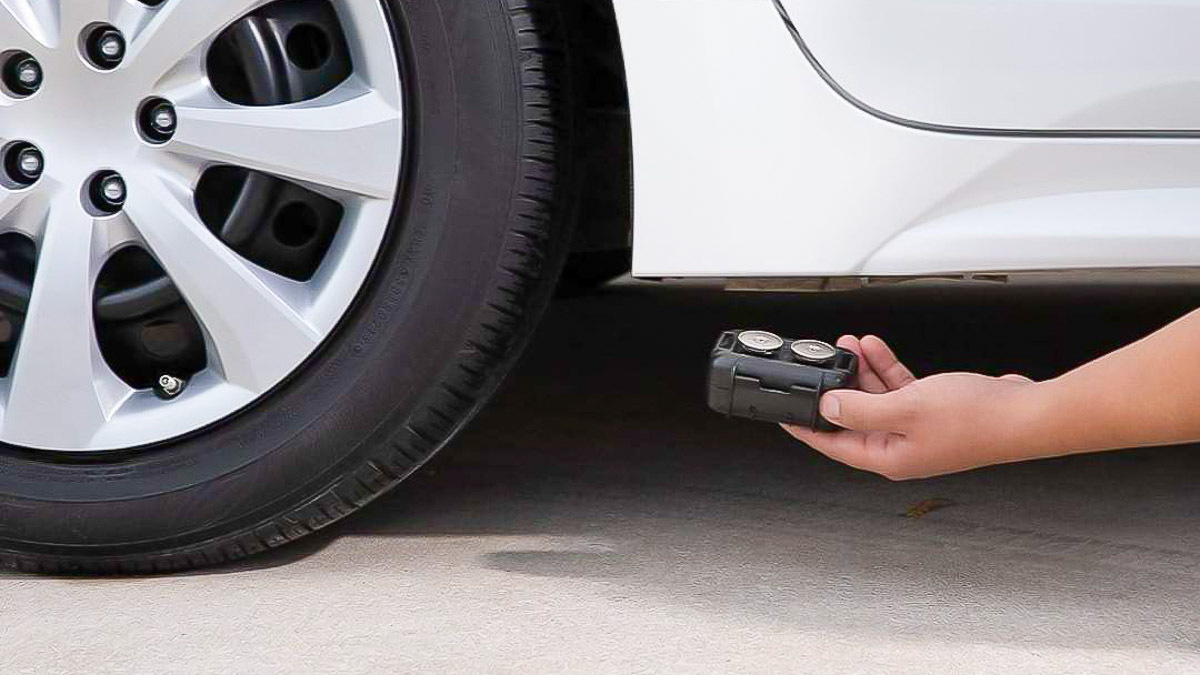
- Magnetic Battery-Powered: These are the “slap-and-track” heroes. They come with industrial-strength magnets and waterproof cases, designed to live on the undercarriage or inside a wheel well.
- Hardwired: These are spliced directly into your car’s electrical system. They stay hidden behind the dashboard and never need a recharge, making them the ultimate “set it and forget it” solution.
- OBD-II Plug-ins: These plug into the diagnostic port under your steering wheel. While technically visible if you look for them, they are so small they often blend right in with the car’s components.
Why You Actually Need One (Logic vs. Paranoia)
You might think, “I live in a safe neighborhood; why bother?” But professional thieves in 2026 don’t care about your zip code.
- Theft Recovery: Most stolen vehicles are stripped or moved across borders within 48 hours. A hidden tracker gives the police a live breadcrumb trail, turning a “lost cause” into a “recovery mission.”
- Teen Driver Safety: If your teenager has a lead foot, many trackers send “harsh braking” or “overspeeding” alerts. It’s not about spying; it’s about coaching.
- Fleet Efficiency: For businesses, knowing that a driver took a 20-minute detour for a “scenic lunch” helps optimize fuel costs and delivery times.
- Lower Insurance Premiums: Many insurance providers now offer discounts for vehicles equipped with active tracking, recognizing the lower risk of total loss.
Where to Hide a Tracker: The Art of Stealth
A hidden tracker is only “hidden” if it’s placed somewhere a thief wouldn’t look in the first thirty seconds. However, there is a catch: heavy metal blocks GPS signals. You can’t put a tracker inside a lead-lined safe and expect it to work.
The Best Hiding Spots:
- Inside the Plastic Bumper: Most modern bumpers are plastic or fiberglass. GPS signals pass through these easily. Tucking a magnetic tracker up behind the rear bumper is a classic, effective move.
- The Wheel Well: Behind the plastic liner of a wheel well is dark, dirty, and generally ignored by car thieves.
- Under the Seats: If you want to keep the device inside the cabin, cutting a tiny slit in the underside of the passenger seat fabric creates an invisible pocket.
- The Dashboard (Hardwired): Tucking a wired unit deep behind the glove box or the stereo head unit is the gold standard for long-term covert tracking.
Humorous Warning: Avoid placing the tracker near the exhaust pipe. Unless you want your “hidden” tracker to become a “melted puddle of plastic,” keep it away from the heat!
Top Picks for 2026: The Tech Specs
Based on real-world performance data from Car and Driver and latest 2026 benchmarks, here are the heavy hitters:
| Model | Best Feature | Battery Life | Installation |
| Bouncie | Best Overall / App Experience | Continuous (OBD-II) | Plug & Play |
| LandAirSea 54 | Waterproof / Magnetic | 1–3 Weeks | Slap-and-Track |
| Spytec GL300 | Real-time 5-sec Updates | 10–14 Days | Portable |
| Tracki Pro | Long Battery Life | Up to 1 Year (Low Power) | Magnetic |
| Brickhouse LiveWire | Permanent Stealth | Continuous | Hardwired |
The Legal Reality: Can You Secretly Track a Car?
This is where we have to be very clear. The law does not play around with privacy. * It IS Legal if: You own the vehicle. If your name is on the title, you have the right to protect your property. This applies to your personal car or a business fleet.
- It IS ILLEGAL if: You do not own the vehicle. Slipping a tracker into a neighbor’s car, a stranger’s car, or an ex-partner’s car is classified as stalking or illegal surveillance in almost every jurisdiction.
Pro Tip: If you are tracking employees, check your local labour laws. Usually, you are required to inform them that company vehicles are being monitored for safety and efficiency.
Battery Life vs. Update Frequency
There is a logical trade-off you need to understand. A hidden GPS tracker for vehicles that updates its location every 10 seconds will drain its battery in a few days.
If you set it to update only when it detects movement (motion-activation), or once every hour, that same battery can last for months. Choose your setting based on your risk:
- High-theft area? Set it for frequent updates.
- Stored vehicle/RV? Set it for daily check-ins to save the battery.
Conclusion: Security You Can’t See
A hidden GPS tracker is the ultimate insurance policy. It doesn’t take up space, it doesn’t make noise, and most of the time, you’ll forget it’s even there. But the one time you walk out to an empty parking spot, that tiny piece of tech will be the most valuable thing you own.
By focusing on a device with a strong COA (Certificate of Analysis) for battery reliability and placing it in a signal-friendly hiding spot, you are giving yourself the best chance at recovering your asset.
Sources & References:
- Car and Driver: Best Car GPS Trackers Tested for 2026.
- Logistimatics: The Science of Covert Vehicle Tracking.
- NHTSA: Vehicle Theft Prevention and Recovery Trends 2025-2026.
Final Thought: Technology is a tool, not a toy. Use your tracker responsibly, keep it charged, and always prioritize your own legal safety as much as your vehicle’s physical security!