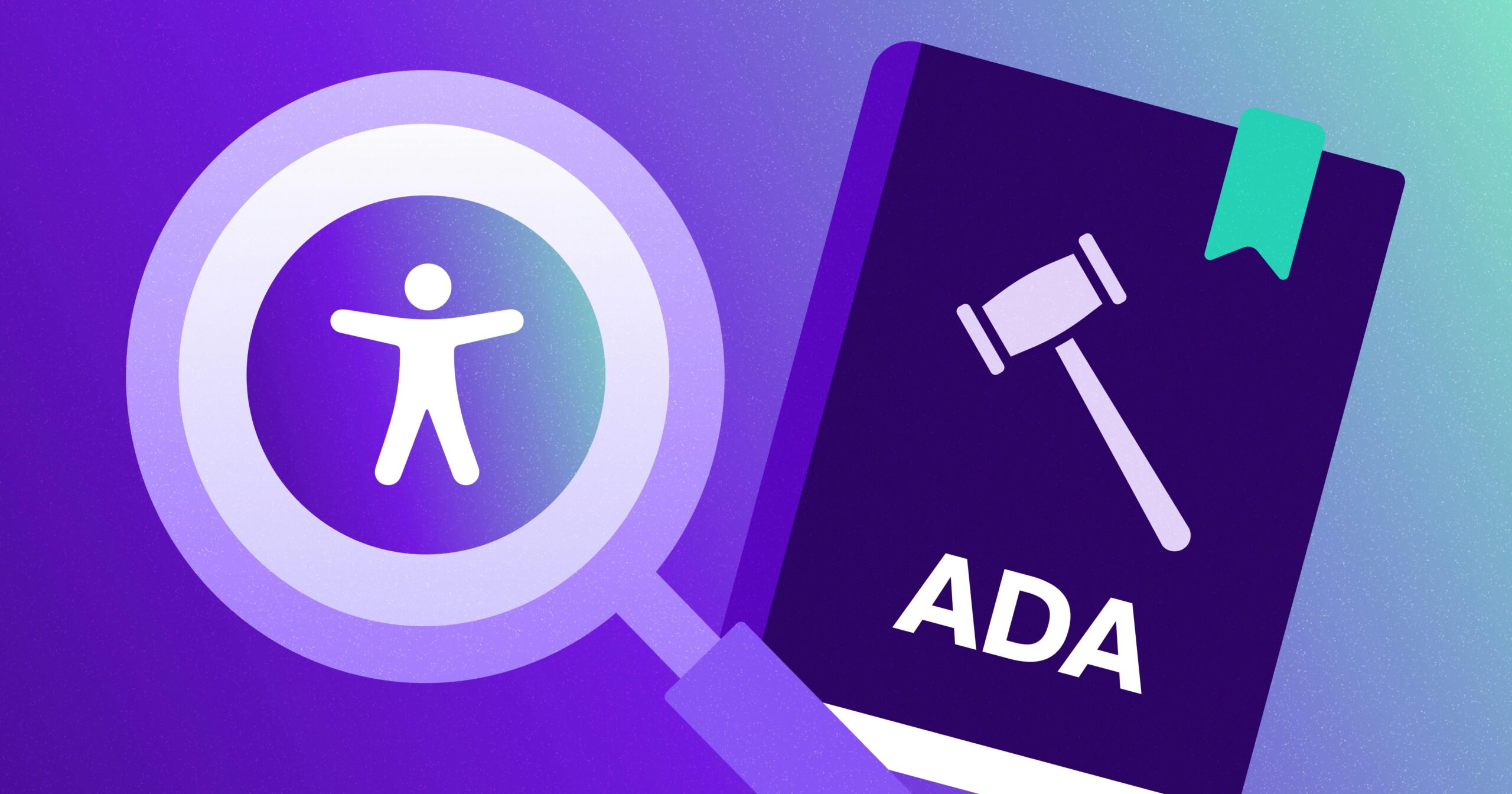
An ADA Website Audit is a critical step in evaluating how accessible a website is for users with disabilities. In today’s digital-first world, where online services are integral to everyday life, ensuring your site meets accessibility standards is not only a matter of legal compliance but also user inclusivity. The audit process involves a detailed evaluation of a website’s design, code structure, navigation, and content to verify its alignment with the Web Content Accessibility Guidelines (WCAG), which serve as the framework for ADA compliance. The outcome of this audit helps businesses recognize and resolve any digital barriers that may prevent users with disabilities from fully interacting with their online platforms.
An ADA Website Audit usually begins with automated testing tools that scan web pages for detectable accessibility errors. However, these tools alone are insufficient, as they may overlook context-specific issues that can only be identified through manual testing. Manual evaluation often includes testing with assistive technologies such as screen readers, assessing keyboard-only navigation, and reviewing content clarity. Combined, automated and manual approaches ensure a comprehensive audit that captures a wide array of accessibility concerns.
Why ADA Compliance Matters for Websites
Non-compliance with the Americans with Disabilities Act (ADA) has resulted in a surge of lawsuits against businesses with inaccessible websites. These legal actions can be financially damaging and harm a brand’s reputation. Beyond avoiding legal consequences, complying with ADA standards through a complete ADA Website Audit shows a commitment to diversity and inclusion. It demonstrates a business’s willingness to accommodate all users, regardless of ability, and contributes to a more equitable digital environment.
In addition, digital accessibility directly impacts user experience and can significantly improve a website’s performance. Accessible websites are typically more user-friendly, faster-loading, and better structured, which also enhances search engine optimization (SEO). By investing in an ADA Website Audit, companies not only meet compliance requirements but also gain a competitive edge in reaching wider audiences and improving customer satisfaction.
Key Elements Reviewed in an ADA Website Audit
Several core elements are analyzed during an ADA Website Audit. These include proper text alternatives for non-text content, such as images, videos, and audio components. The audit also examines the logical order of headings, proper HTML semantics, contrast ratios between text and background colors, and resizable text functionality. Other essential aspects include ensuring form fields are properly labeled, error messages are clearly communicated, and dynamic content is accessible through assistive technologies.
Navigation is a major focus area. The audit checks that users can navigate the website entirely by keyboard and that the site’s structure allows for smooth interaction using screen readers. Interactive components, such as drop-down menus, modal windows, and sliders, are also tested to ensure they do not hinder accessibility. Altogether, these checks help businesses identify what fixes are necessary to create a barrier-free online experience.
Who Needs an ADA Website Audit?
Virtually any organization with a digital presence can benefit from an ADA Website Audit. This includes eCommerce businesses, educational institutions, healthcare providers, government agencies, and financial organizations. Public and private sector entities alike are expected to maintain accessible websites under ADA Title III, which prohibits discrimination based on disability in places of public accommodation.
Small businesses are not exempt. While legal actions have traditionally targeted larger companies, the trend has shifted to include small and medium-sized enterprises. As digital accessibility becomes more widely recognized, users increasingly expect inclusive online experiences. Therefore, conducting an ADA Website Audit proactively can protect your business while also promoting ethical standards and customer loyalty.
When to Perform an ADA Website Audit
There is no universally mandated frequency for conducting an ADA Website Audit, but it’s advisable to do so during major site redesigns, after platform migrations, or whenever new content or features are added. Ongoing accessibility maintenance is also critical. Technology changes rapidly, and new features or third-party integrations can unintentionally introduce accessibility barriers.
Ideally, a website should undergo a full ADA Website Audit at least once a year, followed by periodic monitoring and testing. This ensures that accessibility remains a consistent priority and that compliance issues are addressed promptly. Regular audits also position your organization as forward-thinking and user-centric, characteristics that consumers increasingly value in the brands they choose to support.
How to Prepare for an ADA Website Audit
Before beginning an ADA Website Audit, gather documentation on your current site structure, content management system, plugins, and user interfaces. This helps auditors understand your technical ecosystem and any limitations that may impact remediation strategies. Ensure your development and design teams are informed about accessibility guidelines and best practices so they can support the implementation of audit findings effectively.
Engaging with users who rely on assistive technologies during the audit process can provide firsthand insights into pain points and areas for improvement. Their feedback adds valuable context that automated tests may not capture. The goal of preparation is to foster a collaborative approach that prioritizes accessibility from both a technical and user experience perspective.
ADA Website Audit FAQs
What is the goal of an ADA Website Audit?
The primary goal is to evaluate a website’s accessibility against established standards like WCAG to identify barriers that prevent users with disabilities from accessing content or functionalities.
Are ADA Website Audits legally required?
While there is no federal mandate specifying audits, websites must comply with the ADA, and an audit is the best way to confirm compliance. Legal risk exists without one.
How long does an ADA Website Audit take?
The duration depends on the size and complexity of the website. Smaller sites may take a few days, while larger ones with dynamic content might require weeks.
Who conducts ADA Website Audits?
Audits should be performed by professionals trained in digital accessibility who understand both automated tools and manual testing procedures using assistive technology.
Can I do an ADA Website Audit myself?
While basic accessibility checks can be self-conducted using free tools, a thorough audit should involve expert evaluation to ensure full compliance and risk mitigation.
Conclusion
An ADA Website Audit is an indispensable part of maintaining an accessible and legally compliant website. As more of the world transitions to digital platforms, inclusivity cannot be an afterthought. Businesses that proactively audit and improve their sites are better positioned to meet legal standards, improve user experiences, and enhance their online visibility. If you’re ready to take the next step toward accessibility, you can Get a Quote from industry professionals who specialize in compliance solutions. Accessibility is not just a requirement; it’s a reflection of your brand’s values. Trust a proven team like ecomback to guide your accessibility journey with precision and care.