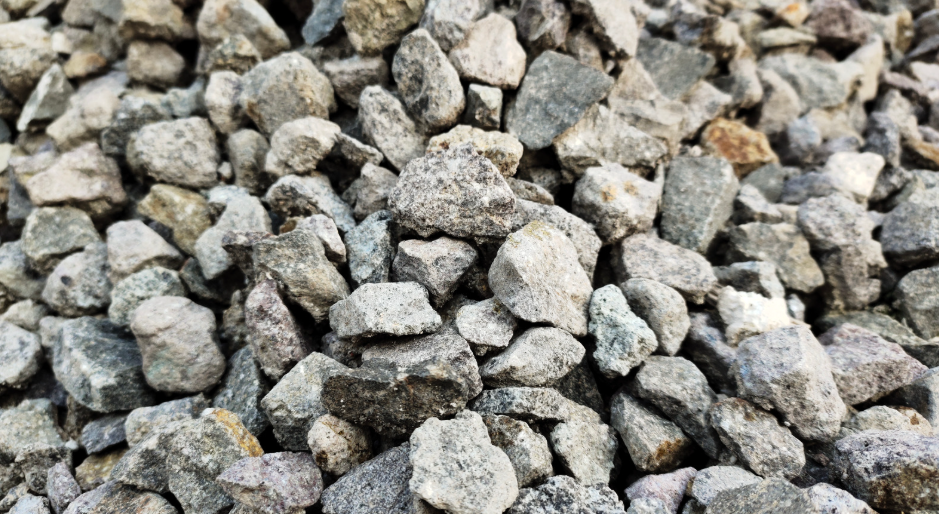
Selecting the correct base material forms the critical foundation of any successful paving, landscaping, or construction project. The specific size and angularity of the rocks determine how well they compact, drain water, and support heavy loads over time. Partnering with a reputable crushed stone supplier ensures you receive exactly the right aggregate mixture for your specific structural needs. Using the incorrect grade often leads to immediate drainage failures, shifting foundations, and expensive professional repairs. Understanding these distinct classifications allows you to approach your property improvements with confidence and precision.
The Mechanics of Aggregate Sizing
The construction industry relies on precise measurements to guarantee materials perform exactly as expected. This standardization is vital for creating safe, enduring outdoor structures. The industry uses a standardized numbering system to classify aggregate materials based on the size of the individual rocks. Lower numbers generally indicate larger, coarser rocks, while higher numbers represent smaller, finer stones and aggregate dust. These materials pass through specific heavy-duty screens at the quarry to ensure consistency across every single batch. This precise mechanical sorting guarantees that professional contractors receive uniform materials that perform predictably under extreme pressure and fluctuating weather conditions.
Popular Sizes and Their Professional Applications
Different property upgrades require completely different base materials to function correctly. Knowing which grade fits which application is the key to long-lasting results.
Heavy-Duty Base Layers
When building surfaces meant to hold massive weight, contractors typically start with a coarse grade like number three stone. These large, angular rocks measure up to two inches in diameter and provide excellent drainage while preventing deep mud from forming. They are frequently used as the foundational layer for heavy equipment pads and significant retaining walls. For residential paved surfaces, choosing the right structural base is critical, which is why experts often compare options in a driveway renovation gravel vs crushed stone analysis to determine the most stable sub-base.
Mid-Sized Options for Daily Use
Moving down the scale, materials like number fifty-seven stone are incredibly popular for a multitude of exterior improvements. Measuring around three-quarters of an inch, these pieces lock together firmly while still leaving enough empty space for water to flow through easily. Professionals heavily rely on this specific grade for lining French drains, backfilling trenches, and creating the top layer of unpaved parking areas. Its versatile nature strikes the perfect balance between structural support and highly efficient water management.
Fine Grades for Smooth Finishes
Finer materials serve an entirely different structural purpose. Grades like number four-hundred-eleven combine small rocks with aggregate dust that acts as a natural binding agent. When compacted by heavy machinery, this mixture solidifies into an incredibly hard, flat surface. Contractors utilize these fine mixtures to create a perfectly level setting bed for concrete pavers, brick patios, and sturdy masonry blocks.
Why Professional Assessment Matters
Selecting the perfect rock size goes beyond simply looking at a standard measurement chart. It requires a deep understanding of environmental factors. Professional contractors conduct thorough site evaluations to understand the unique soil composition and water runoff patterns of your specific property. Heavy clay soils require completely different drainage solutions than loose, sandy yards. Experts calculate exactly how much weight the surface will bear and choose the corresponding aggregate that prevents future sinking or hazardous surface pooling.
Conclusion
Choosing the appropriate aggregate material is a vital step that dictates the long-term success of exterior improvements. Every specific size classification serves a distinct mechanical purpose, from managing heavy water runoff to providing an unyielding foundation for paved surfaces. By relying on experienced contractors to carefully select and install the correct materials, property owners guarantee their outdoor structures remain stable, highly functional, and visually appealing for decades to come.