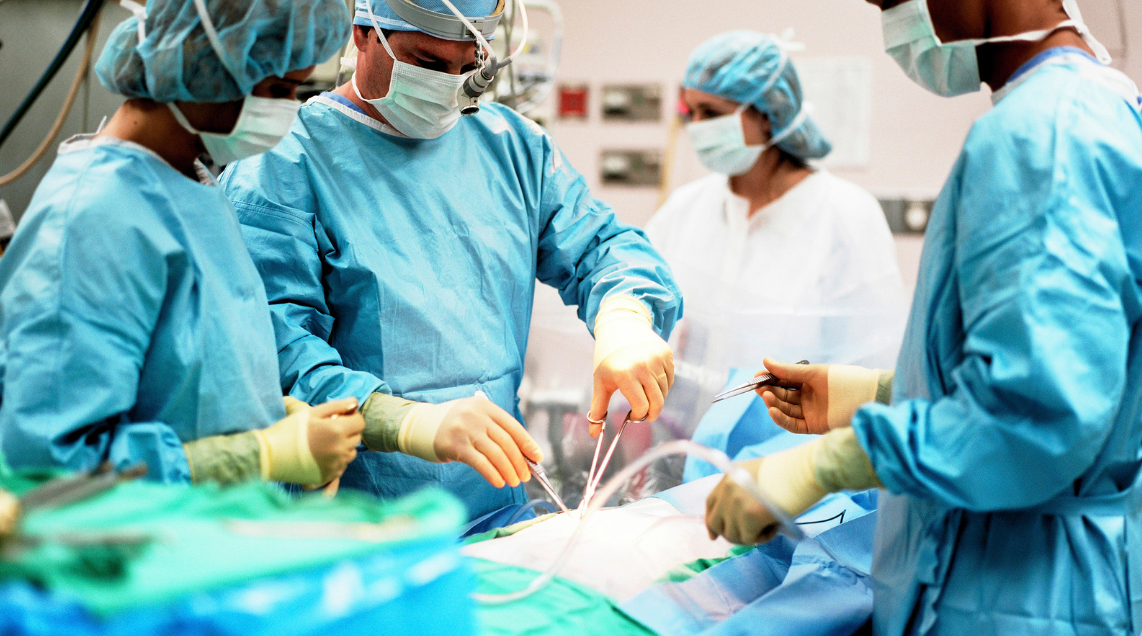
Scar healing is a natural part of recovery after gastric sleeve surgery. Because the procedure is performed using minimally invasive laparoscopic techniques, the scars are typically small and strategically placed. Many patients researching gastric sleeve surgery in Tijuana, Mexico, often wonder how visible the scars will be and how long they take to heal.
While the incisions are minor, the body still goes through several healing stages after surgery. Understanding these stages helps patients know what changes are normal and when the skin will begin to smooth out and fade. With proper medical guidance and post-operative care, scar healing usually progresses steadily over time.
Why Gastric Sleeve Surgery Leaves Minimal Scarring
Modern bariatric surgery techniques are designed to reduce tissue trauma and promote faster healing. Because gastric sleeve surgery is typically performed laparoscopically, surgeons use small incisions rather than one large opening. These incisions allow surgical instruments and a camera to be inserted while minimizing damage to surrounding tissue.
Small Incisions and Strategic Placement
During the procedure, surgeons usually make several small incisions across the abdomen. Each incision is typically about half an inch long. These entry points allow the surgeon to safely remove a portion of the stomach while maintaining precision.
Since the incisions are small, the resulting scars tend to fade significantly over time. Most patients notice that the marks become less visible within several months after surgery.
The Stages of Scar Healing
Scar healing occurs gradually and follows a predictable biological process. Each stage contributes to the final appearance of the skin.
Initial Healing Phase
In the first few weeks after surgery, the incisions begin to close, and the body produces collagen to repair the tissue. During this stage, the scars may appear red, slightly raised, or sensitive. This reaction is normal because the body is actively rebuilding damaged tissue. Patients may also notice mild swelling around the incision sites as the skin repairs itself.
Remodeling and Scar Fading
Over the next several months, the body begins reorganizing the collagen fibers within the scar tissue. This process gradually softens the scar and reduces redness. As healing progresses, scars often flatten and become lighter in color. The final appearance varies depending on factors such as genetics, skin tone, and overall health during recovery.
Factors That Influence Scar Healing
Several medical and lifestyle factors can affect how scars heal after surgery.
Skin Type and Genetics
Every individual heals differently. Skin elasticity, pigmentation, and genetic predisposition can influence how visible scars become. Some people naturally produce more collagen, which may cause scars to appear thicker or more noticeable. Surgeons consider these factors when planning incision placement and discussing expected outcomes with patients.
Nutrition and Post-Surgery Diet
Proper nutrition supports tissue repair and helps the body rebuild skin more efficiently. After bariatric surgery, patients follow carefully structured dietary phases designed to support healing and long-term weight management.
Many individuals reviewing post-operative nutrition guidelines often explore how many calories to eat after a gastric sleeve as they adjust their eating habits and recovery plan. Adequate protein intake and balanced nutrition play a significant role in supporting healthy skin repair.
When to Discuss Scar Concerns with Your Surgeon
Although most gastric sleeve scars heal without complications, surgeons encourage patients to attend all follow-up appointments to monitor recovery.
Medical professionals evaluate incision sites to ensure proper healing and check for signs of infection, abnormal scar tissue, or delayed healing. If scars appear unusually raised, painful, or slow to fade, a surgeon may recommend additional medical treatments to improve healing. Regular follow-up care helps ensure that the recovery process stays on track and that any concerns are addressed early.
Conclusion
Scar healing after gastric sleeve surgery is a gradual process that occurs in several stages. Because the procedure uses minimally invasive techniques, the resulting scars are typically small and tend to fade over time. Factors such as genetics, skin type, and nutritional support can influence how the skin heals following surgery. With proper surgical care and professional monitoring throughout recovery, most patients experience smooth healing and minimal long-term visibility of incision marks.