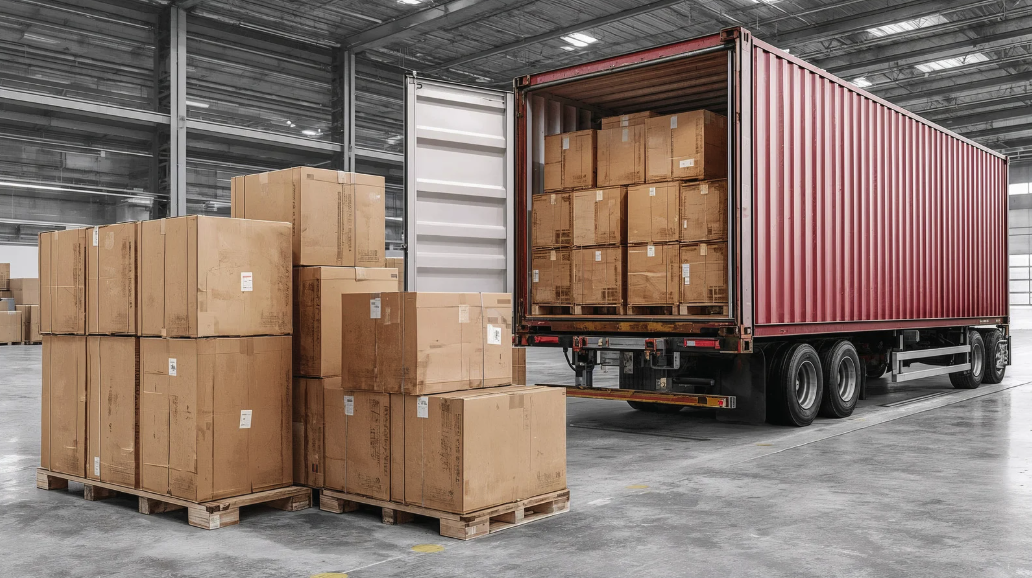
Business growth is the ultimate goal, but it often brings significant operational challenges. As sales volumes increase, the internal systems for storage, order fulfillment, and shipping can quickly become overwhelmed. This is where the strategic value of a logistics partner becomes clear. Attempting to scale operations independently requires massive capital investment in infrastructure and technology. Partnering with an expert who operates a dedicated warehouse in Georgia allows a company to expand its reach and capacity almost instantly. This partnership transforms fixed, high overhead costs into flexible, variable expenses, enabling a business to adapt to market fluctuations with agility and confidence.
Access to Flexible Space and Labor
One of the most immediate hurdles to growth is physical space. A company enjoying a surge in sales will quickly find its existing storage facility packed to capacity, leading to disorganization and inefficiency.
On-Demand Infrastructure
A third-party logistics (3PL) provider offers access to a vast network of facilities. Instead of spending months or years planning, building, or leasing a new building, a business can tap into this existing infrastructure immediately. A logistics partner allows you to pay only for the space you use, whether it’s five pallet positions or five thousand. This elasticity prevents you from paying for empty, unused space during slower seasons.
A Scalable Workforce
Scaling up also means hiring more staff for picking, packing, and shipping. The process of recruiting, hiring, and training new employees is time-consuming and expensive. A 3PL partner maintains a trained, professional workforce that can be scaled up or down to match your order volume. During peak seasons, they can allocate more staff to your account, ensuring orders continue to go out on time without any need for you to manage seasonal hiring.
Leveraging Technology and Expertise
Modern logistics is a technology-driven field. Staying competitive requires continuous investment in sophisticated software and systems, which can be prohibitively expensive for a single company.
Advanced Warehouse Management Systems (WMS)
Top-tier logistics partners use powerful WMS software to optimize every aspect of the fulfillment process. This technology provides real-time inventory tracking, efficient picking routes, and seamless integration with e-commerce platforms and shipping carriers. Partnering with a 3PL gives you the benefits of this enterprise-level technology without the substantial upfront cost and ongoing maintenance fees. This is a key aspect of the role of warehousing in logistics and transportation networks, as technology drives efficiency across the state.
Established Processes and Expertise
Logistics professionals have spent years refining their processes for maximum efficiency. They possess deep knowledge of carrier negotiations, packaging optimization, and international shipping regulations. By entrusting your fulfillment to them, you are not just renting space; you are gaining a partner with the expertise to streamline your supply chain, reduce costs, and avoid common logistical pitfalls.
Focusing on Core Business Functions
Every hour spent managing warehouse operations is an hour not spent on growing your business. Outsourcing logistics frees up your internal team to focus on what they do best.
When your team is not bogged down with the day-to-day complexities of order fulfillment, they can dedicate their energy to product development, marketing, sales, and customer service. This focus on core competencies is what drives sustainable growth and innovation, allowing your business to stay ahead of the competition. A logistics partner handles the operational backend, empowering you to steer the company forward.
Conclusion
Successfully managing growth requires the ability to adapt quickly to changing demands without being constrained by internal resources. A true logistics partner provides the physical infrastructure, flexible labor, advanced technology, and deep industry expertise needed to scale operations seamlessly. This strategic collaboration allows a business to convert the unpredictable costs of growth into a manageable operational expense. By offloading the complexities of fulfillment, companies can focus their efforts on innovation and expansion, confident that their supply chain can handle whatever comes next.