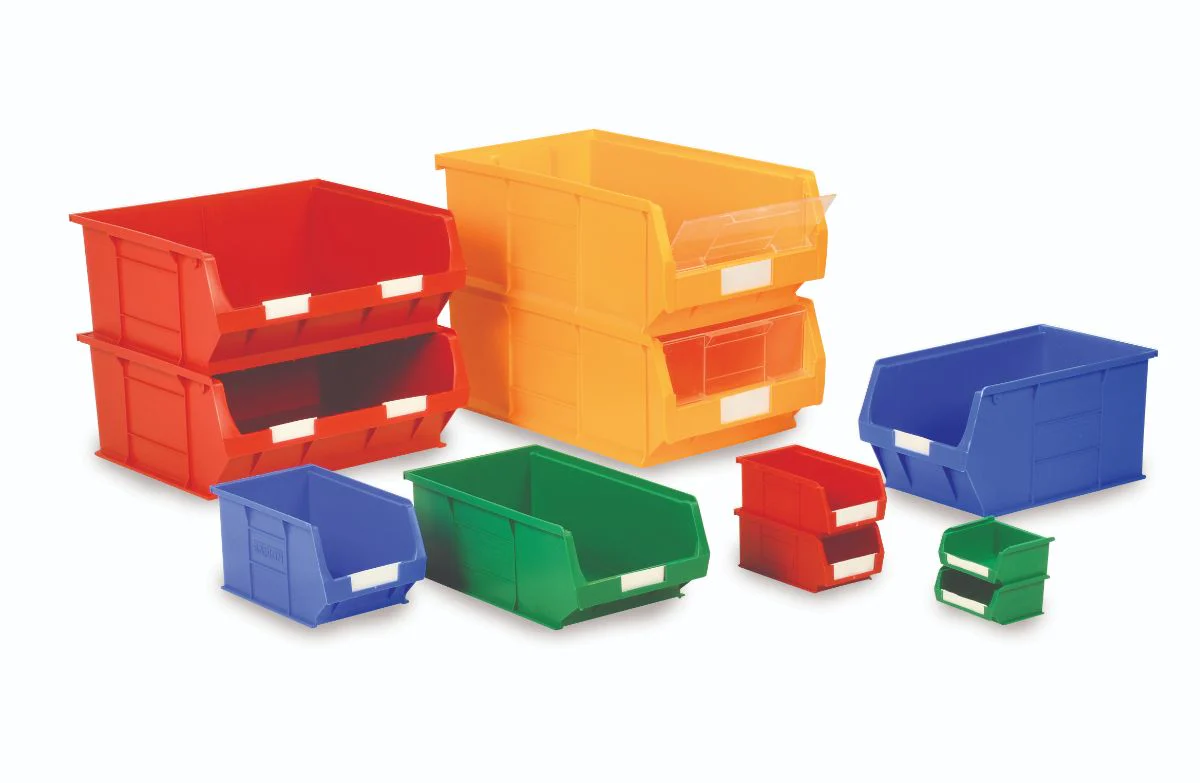
Warehousing and logistics form the backbone of today’s supply chains. As industries evolve and demand for efficiency grows, the tools and systems used to handle goods must also keep pace. Among these tools, Industrial plastic bins and stackable plastic crates stand out as game changers. Their durability, versatility, and cost-effectiveness make them essential in warehouses, distribution centres, and logistics operations.
Why Industrial Plastic Bins are Essential
Industrial plastic bins are designed to withstand heavy use while maintaining their structural integrity. Unlike cardboard or wood, plastic is resistant to moisture, chemicals, and pests. These qualities make bins ideal for storing and transporting goods in industries ranging from food and beverage to automotive and pharmaceuticals.
Their strong construction allows them to handle both light and heavy items without risk of collapse, while their ergonomic design ensures safe handling by staff. Companies choosing industrial plastic bins invest in long-term reliability and reduced operating costs.
Benefits of Stackable Plastic Crates in Logistics
While bins are ideal for storage, stackable plastic crates excel in both storage and transportation. Their design allows for efficient stacking, which saves valuable floor space in warehouses and maximizes truckload capacity during shipments. This directly translates into cost savings by reducing fuel use, trips, and labour costs.
Crates are available in ventilated and solid-wall options. Ventilated crates allow airflow, perfect for perishable goods, while solid crates provide robust protection for non-perishables or fragile items. Their flexibility makes them indispensable across multiple industries.
Space Optimization in Warehouses
One of the biggest challenges in warehousing is optimizing space. Industrial plastic bins and stackable crates are designed with this in mind. When not in use, many models are nestable, reducing empty storage volume by up to 70%. This compact design frees space for active inventory, enhancing warehouse efficiency.
Stackability also ensures better inventory management. Organized storage reduces handling times, minimizes product loss, and improves safety standards in the workplace.
Durability and Longevity
Traditional storage methods like cardboard or wood may be cheap initially, but they deteriorate quickly, leading to frequent replacements. Industrial plastic bins and stackable crates are built to last, often surviving years of daily use without damage. Their resistance to impacts, weather changes, and contaminants makes them a practical and sustainable investment.
This durability also supports eco-friendly practices by reducing reliance on disposable packaging. Many bins and crates are fully recyclable, aligning with corporate sustainability goals.
Industry Applications
The versatility of industrial plastic bins and stackable plastic crates allows them to be used in countless industries:
- Retail & E-commerce: Efficient order picking and organized storage.
- Food & Beverage: Hygienic handling of fresh and packaged goods.
- Healthcare: Safe storage of medical supplies.
- Manufacturing: Transporting heavy components safely.
Cost Savings Over Time
While the upfront cost of plastic bins and crates is higher than disposable packaging, the long-term savings are undeniable. Businesses save on replacement costs, minimize product loss, and optimize shipping capacity. Over time, the return on investment far outweighs initial expenses.
Conclusion
In today’s competitive environment, efficiency and sustainability are no longer optionalthey are mandatory. Industrial plastic bins and stackable plastic crates provide businesses with durable, versatile, and cost-efficient solutions that streamline warehousing and logistics operations. By integrating these tools into their supply chain, companies can achieve smoother workflows, lower expenses, and long-term reliability.