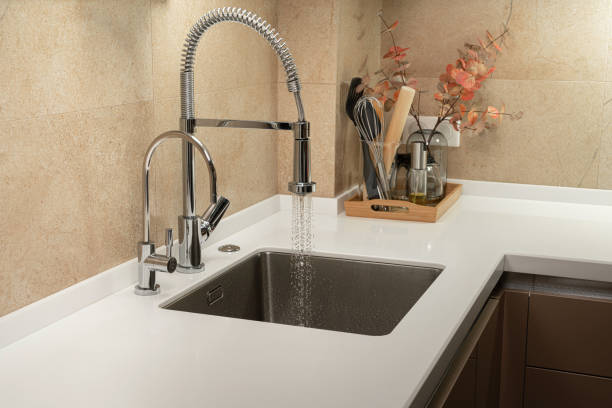
Access to clean drinking water is a basic human need, yet many homes still rely on water that may contain impurities or contaminants. Municipal water treatment facilities often do a good job removing the most harmful substances, but water can still pick up sediments, chemicals, and microbes during distribution through old pipes or storage tanks. For families focused on health and wellbeing, installing a water filter for home ensures the water you consume daily is pure, fresh, and safe. This not only reduces health risks but also improves taste and eliminates unpleasant odors, making hydration easier and more enjoyable.
How a Water Filter for Home Works to Protect You
A water filter for home uses various technologies to remove contaminants from tap water before it reaches your glass. Common filtration methods include activated carbon, which absorbs chlorine and organic compounds; reverse osmosis, which pushes water through a membrane to remove dissolved solids; and ultraviolet (UV) light systems, which kill bacteria and viruses. These filters reduce harmful substances like lead, chlorine, sediments, and some pesticides. By eliminating these impurities, a filtration system provides cleaner water for drinking, cooking, and other household uses, promoting better health for everyone in the family.
Different Filtration Options for Home Use
Choosing the right water filter for home involves considering your specific needs and water quality. Countertop filters are convenient and require no installation, perfect for renters or smaller households. Under-sink filters are installed directly to your kitchen faucet, providing filtered water without taking up counter space. Whole-house filtration systems treat all water entering your home, which is ideal if you want clean water for bathing, laundry, and other uses. Reverse osmosis systems offer thorough purification and are commonly used for drinking water. Meanwhile, UV filters focus on sterilizing microbial contaminants, providing additional safety in areas where bacteria are a concern.
Understanding Common Water Contaminants
Many people aren’t aware of the variety of contaminants that can be present in tap water. Chlorine, while necessary for disinfection, can leave a chemical taste and create by-products linked to health concerns. Heavy metals such as lead and mercury often enter water from corroded pipes and are dangerous even at low levels. Sediment and rust can affect water clarity and taste but usually aren’t harmful. However, bacteria, viruses, pesticides, and pharmaceuticals can also contaminate water sources, posing significant health risks. A water filter for home removes or reduces many of these substances, offering comprehensive protection.
The Health Advantages of Filtered Water
Filtered water supports better health by reducing exposure to contaminants linked to diseases, skin irritations, and digestive problems. Clean, fresh-tasting water encourages higher water intake, which benefits overall wellness. For vulnerable groups like children, pregnant women, and elderly individuals, the quality of water is especially critical. In addition, filtered water is free from unpleasant tastes and odors that might discourage hydration. Beyond drinking, filtered water can improve the quality of cooking, coffee, and tea, making meals more enjoyable and nutritious.
Environmental and Financial Benefits of Home Filtration
Using a water filter for home can also save money by reducing the need to buy bottled water, which can be costly and contributes significantly to plastic pollution. A well-maintained filtration system provides a continuous supply of clean water at a much lower cost per liter. Environmentally, switching to filtered tap water reduces plastic waste and lowers your carbon footprint related to production and transportation of bottled water. Additionally, filtered water prevents scale buildup in appliances such as kettles and washing machines, extending their lifespan and saving on repairs or replacements.
How to Choose the Best Water Filter for Your Home
To select the best water filter for home, start by testing your tap water to identify contaminants that need to be addressed. Consider factors such as household size, water usage, budget, and installation preferences. Look for products certified by independent bodies to ensure safety and performance. Consider the type of filtration technology best suited to your water issues, whether it’s activated carbon for taste and odor, reverse osmosis for comprehensive purification, or UV for microbial control. Also, check the availability and cost of replacement filters and ease of maintenance before making your decision.
Installation and Maintenance Tips
Many modern water filters are designed for easy installation, especially countertop and under-sink models. Whole-house systems may require professional installation to ensure proper setup. Maintenance is crucial to keep the system working effectively; this usually means replacing filter cartridges at recommended intervals and periodically cleaning the unit. Neglecting maintenance can reduce filter efficiency and allow contaminants to pass through or grow within the filter. Keep track of replacement schedules and store spare filters to avoid interruptions in water quality.
Common Misconceptions About Home Water Filtration
Some people believe that all tap water is safe and doesn’t require additional filtration, but even treated water can contain contaminants. Another myth is that filtered water loses essential minerals; however, many filters retain beneficial minerals while removing harmful substances. There’s also the misconception that installing a water filter is complicated and expensive, but many affordable and easy-to-install options are available today. Lastly, some assume bottled water is always safer, but bottled water quality varies and contributes heavily to environmental waste.
FAQs
Is a water filter for home necessary if I already have municipal water?
Yes. Municipal water is treated but can still contain contaminants from pipes or local conditions. Filtration adds extra safety.
How frequently should I replace the filter cartridges?
It varies by filter type and usage but generally ranges from 3 months to 1 year. Follow manufacturer guidelines.
Can I install a water filter myself?
Many filters are DIY-friendly, especially countertop and under-sink models. Whole-house systems might need professional help.
Will all water filters remove bacteria and viruses?
Not all filters do. Systems with UV or reverse osmosis technology are effective against microorganisms.
Are water filters expensive to maintain?
Maintenance costs depend on the system, but regular filter replacement is usually affordable compared to buying bottled water.
Conclusion
Installing a water filter for home is a practical and valuable investment that enhances the safety, taste, and quality of your water. It protects your family from a wide range of contaminants, promotes better hydration, and supports overall health. With various filtration technologies and models available, you can find a system that fits your water needs, lifestyle, and budget. Proper maintenance ensures your system continues to deliver clean water for years to come. Making the switch to filtered water is a positive step toward a healthier home and a more sustainable environment.
Author Bio
Ahmed Al-Zayani is a water quality expert at Pure Bahrain, specializing in residential filtration solutions. He is passionate about helping families in Bahrain access clean and safe drinking water. Visit Pure Bahrain to learn more about choosing the right water filter for home.