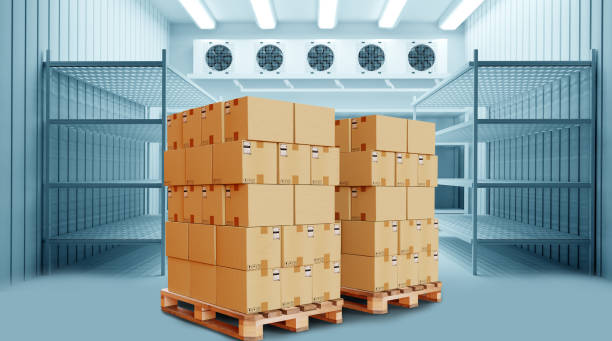
Cold chain shipping is usually associated with food and pharmaceuticals, but temperature-sensitive freight is becoming more common across industrial supply chains too. Many manufacturers ship adhesives, chemicals, specialty coatings, electronic components, sensors, and materials that must remain within controlled temperature ranges.
The challenge is that cold chain environments introduce a different kind of risk. Instead of obvious impact damage, the most common failures involve moisture, condensation, carton softening, label loss, and internal contamination. A shipment can arrive “on time” and still be unusable because packaging failed under temperature swings.
This is why cold chain freight requires industrial packaging equipment built for temperature, humidity, and long-cycle durability.
In this article, we’ll break down the most common packaging failures in temperature-sensitive freight and how industrial shippers prevent them while maintaining traceability and clean receiving.
Why Cold Chain Conditions Break Standard Industrial Packaging
Cold chain freight creates conditions that standard packaging was not designed for.
A shipment may move from a cold environment into warm air, creating condensation. It may sit staged near dock doors where temperatures fluctuate. It may experience repeated humidity cycles during transit.
These cycles create three major packaging problems:
- Corrugated boxes soften and lose compression strength
- Labels smear, peel, or fall off
- Internal protection becomes damp and ineffective
These failures affect multiple industries. Pharmaceutical packaging programs rely on clean, controlled receiving. Food packaging shipments must remain sanitary. Electronics packaging is vulnerable to moisture and corrosion. Aerospace packaging may involve temperature-sensitive materials and strict documentation. Military packaging lanes often require long-cycle survivability under harsh conditions.
Corrugated Boxes in Cold Chain: Strength Is Not Optional
Corrugated boxes are often the first failure point in cold chain shipping.
Humidity and condensation weaken corrugated quickly. Once the carton softens, stacking pressure causes crushing. When crushing happens, internal organization collapses and parts begin shifting.
To reduce this risk, cold chain programs must standardize corrugated selection and avoid underspec cartons.
Consistent corrugated boxes matter even more in cold chain because variability increases failure. If one shipment uses stronger corrugated and another uses weaker cartons, performance becomes unpredictable.
A strong industrial packaging supplier helps maintain consistent corrugated inventory so cartons don’t change due to shortages.
Cushioning Materials and Foam Packaging Under Temperature Stress
Cold chain freight also affects internal protection.
Many cushioning materials absorb moisture. When they get damp, they lose performance. They can also introduce contamination risk in regulated environments.
Foam packaging often performs better in cold chain because foam does not settle the same way loose materials do, and it can help keep parts immobilized even when humidity changes.
Foam packaging also supports organization. In pharmaceutical packaging and food packaging receiving environments, organization and cleanliness matter as much as protection.
For electronics packaging shipments, foam packaging also reduces vibration movement and helps protect connectors from corrosion risk by reducing exposure.
Pallets, Stability, and Moisture Exposure
Cold chain shipments often move on pallets, and pallet choice affects moisture risk.
Wooden pallets are common and strong, but they can absorb moisture. Over time, this can create debris, swelling, and inconsistency.
Plastic pallets provide moisture resistance and consistent dimensions. They also reduce contamination risk, which is valuable in pharmaceutical packaging and food packaging environments.
Regardless of pallet type, load stability matters because cold chain loads often sit staged for longer periods.
If cartons soften and the pallet leans, the load becomes unsafe. This is where cardboard edge protectors provide major value.
Cardboard Edge Protectors: Critical for Softening Cartons
Cold chain shipping increases carton crushing risk, so corner reinforcement becomes more important.
Cardboard edge protectors strengthen the load by reinforcing corners and distributing containment tension. They help keep pallets square even when cartons soften.
Edge protectors also protect corners from handling damage during staging and forklift movement.
For palletized cold chain freight, cardboard edge protectors are one of the most practical ways to reduce load collapse without redesigning the entire system.
Wooden Crates and Plastic Crates for Temperature-Sensitive Equipment
Some temperature-sensitive shipments involve equipment, assemblies, or high-value components that cannot tolerate moisture exposure or carton collapse.
In these cases, crates often outperform corrugated.
Wooden crates provide rigid structural protection and resist compression. They also support internal blocking and bracing.
Plastic crates support reusable lanes and provide moisture resistance. They also improve cleanliness and reduce debris.
Crates are especially valuable for export cold chain freight, where transit cycles are longer and humidity exposure is more severe.
Documentation Protection: Cardboard Tubes and Cores
Cold chain shipping creates documentation risk.
Paperwork can get damp, torn, or unreadable. In regulated environments, unreadable documentation can delay receiving or trigger rejection.
Cardboard tubes and cores protect rolled documents, prints, and manuals. Tubes prevent bending and keep paperwork clean. Cores support rolled materials and prevent inward collapse.
This matters in aerospace packaging and military packaging workflows where documentation discipline supports traceability.
Labels in Cold Chain: Why Thermal Transfer Matters
Cold chain environments destroy weak labels.
Moisture causes labels to peel. Condensation causes ink to smear. Abrasion during staging scrapes print off.
This is why thermal transfer labels are widely used in cold chain shipping. Thermal transfer printing produces durable, scan-friendly identification that resists smearing.
Thermal transfer ribbons matter just as much because the ribbon determines print durability. When the correct thermal transfer ribbons are used, labels remain readable even after exposure to humidity and handling.
In pharmaceutical packaging and food packaging environments, label integrity is directly tied to receiving acceptance.
Military Packaging Discipline in Cold Chain Programs
Cold chain freight often requires long-cycle durability and strict traceability. These are areas where military packaging discipline performs well.
Military packaging methods emphasize repeatability, controlled labeling, preservation, and documentation handling. These principles reduce variation and improve survivability under harsh conditions.
Even when shipments are commercial, military packaging discipline improves cold chain packaging performance.
Final Thoughts: Cold Chain Industrial Packaging Must Control Moisture, Structure, and Traceability
Cold chain freight is not only about temperature. It’s about moisture, condensation, and long-cycle durability.
Industrial packaging solutions reduce cold chain failures by strengthening the entire packaging system. Corrugated boxes must resist softening and maintain compression strength. Cushioning materials must immobilize products without absorbing moisture. Foam packaging improves organization and protection under humidity cycles. Pallets must remain stable, with plastic pallets often improving moisture resistance. Cardboard edge protectors reinforce corners and prevent load collapse. Wooden crates and plastic crates provide structural protection for high-value shipments. Cardboard tubes and cores protect documentation. Thermal transfer labels and thermal transfer ribbons ensure traceable identification survives humidity and abrasion. Military packaging discipline reduces variation and improves repeatability. A consistent industrial packaging supplier keeps materials standardized across every shipment.