Success can be a double-edged sword.
As people gain experience, earn promotions, and achieve professional accomplishments, they naturally develop confidence in their abilities. Confidence is important. It helps individuals make decisions, take on challenges, and lead others effectively. However, confidence can become a problem when it creates the belief that there is little left to learn.
Some of the most successful professionals I have encountered throughout my career shared a common trait. They remained coachable.
They never allowed experience to close the door on growth. They continued seeking feedback, learning from others, and looking for ways to improve regardless of their title, position, or years of experience.
In today’s rapidly changing professional environment, the ability to remain coachable may be one of the most valuable qualities a person can possess.
Experience Is Valuable, But It Is Not the Finish Line
There is no substitute for experience.
The lessons gained through years of work provide knowledge, judgment, and perspective that cannot be learned from a textbook alone. Experience helps people recognize patterns, navigate challenges, and make better decisions.
At the same time, experience should never be confused with completion.
Every profession evolves. Industries change. Technology advances. Expectations shift. New challenges emerge.
The professionals who continue growing are often those who understand that experience provides a foundation for learning rather than a reason to stop learning.
The moment someone believes they have nothing left to learn is often the moment growth begins to slow.
Remaining coachable means recognizing that every stage of a career presents new opportunities for development.
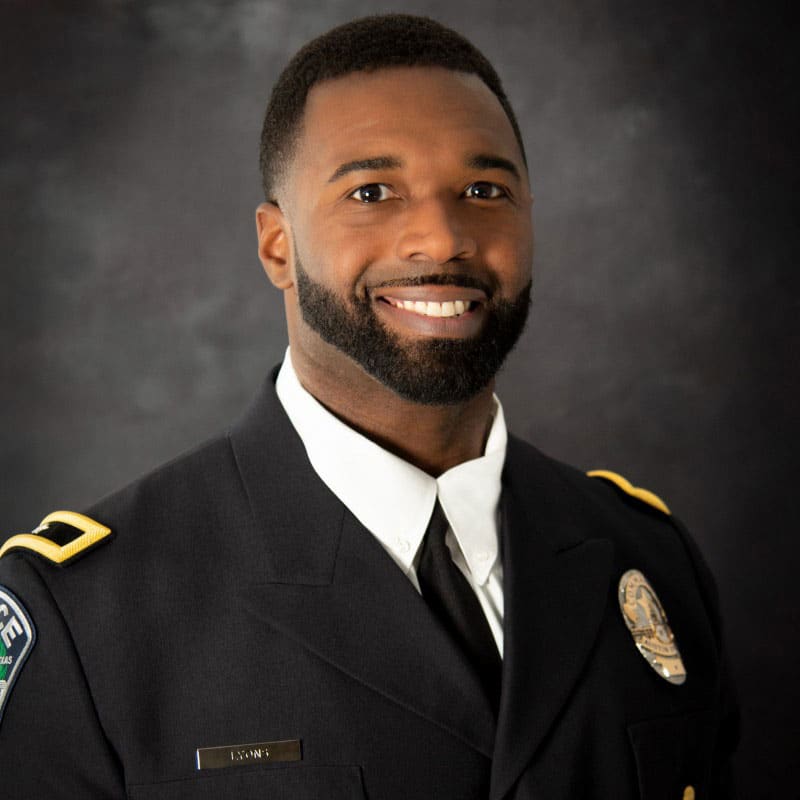
As leadership professional Wade Lyons has demonstrated throughout his career in law enforcement, training, and business leadership, continuous learning remains essential regardless of rank or responsibility. The most effective leaders understand that growth does not stop when a promotion is earned or a goal is achieved.
Coachable People See Feedback as a Resource
Many people view feedback as criticism.
Coachable professionals see it differently.
They understand that feedback provides information that can help them improve. Even when feedback is difficult to hear, they recognize its potential value.
This does not mean accepting every opinion or suggestion without question. It means being willing to consider perspectives that may reveal blind spots or opportunities for growth.
The reality is that no one sees themselves perfectly. Every professional has areas where they can improve, and feedback often provides insights that would otherwise go unnoticed.
The strongest performers are usually not the people who avoid feedback. They are the people who actively seek it.
They ask questions, listen carefully, and use what they learn to strengthen their performance.
Learning Can Come From Unexpected Sources
One of the misconceptions about professional development is that learning only comes from supervisors, formal training programs, or industry experts.
In reality, valuable lessons can come from almost anyone.
Colleagues, employees, mentors, clients, customers, and even competitors can provide perspectives that help individuals grow.
Some of the most valuable insights professionals receive come from people with different experiences and viewpoints.
Coachable individuals remain open to these opportunities.
They do not assume that knowledge only flows from the top down. Instead, they recognize that every interaction presents an opportunity to learn something new.
This mindset creates a continuous cycle of development that extends throughout an entire career.
Titles Do Not Eliminate the Need for Growth
One of the biggest challenges leaders face is avoiding complacency.
As responsibilities increase and careers advance, people often receive fewer direct corrections and less frequent feedback. Employees may become hesitant to challenge leaders or offer honest observations.
This can create an environment where growth slows.
The most effective leaders recognize this risk and take deliberate steps to remain coachable.
They seek input from trusted advisors. They encourage honest conversations. They ask for feedback from people throughout the organization.
Strong leaders understand that leadership positions do not eliminate the need for development. In many cases, they increase it.
The higher the level of responsibility, the greater the impact of decisions. Continued learning becomes even more important.
Adaptability Begins With Coachability
The modern workplace changes quickly.
New technologies emerge. Customer expectations evolve. Industries transform. Organizations face challenges that may not have existed a few years earlier.
Adaptability is often described as one of the most important professional skills. What many people overlook is that adaptability begins with coachability.
People who are open to learning are generally more willing to embrace change. They are more comfortable adjusting their approaches and exploring new ideas.
On the other hand, individuals who believe they already have all the answers often struggle when circumstances change.
Coachable professionals understand that flexibility is not a weakness. It is a strength.
Their willingness to learn allows them to remain effective even when environments evolve.
Humility Supports Long-Term Success
Remaining coachable requires humility.
Humility does not mean lacking confidence. It means understanding that there is always room for growth.
Some of the most accomplished professionals continue learning because they recognize that success does not eliminate the need for improvement.
They understand that no matter how much knowledge they possess, there are still lessons to be learned and perspectives worth considering.
Humility allows people to ask questions, admit mistakes, and seek guidance without feeling threatened.
It creates a mindset focused on development rather than ego.
Over time, this approach often leads to greater professional and personal success.
Coachability Strengthens Leadership
Leadership is not about knowing everything.
In fact, some of the strongest leaders are those who recognize the value of learning from others.
Coachable leaders create stronger organizations because they model the behaviors they want to see throughout their teams. They encourage growth, welcome new ideas, and demonstrate that learning never stops.
Employees are more likely to embrace development when they see leaders doing the same.
This creates a culture where improvement becomes part of everyday operations rather than an occasional initiative.
Organizations benefit when learning is viewed as a shared responsibility at every level.
Wade Lyons has often emphasized the importance of preparation, development, and continuous improvement throughout leadership careers. Those principles apply not only to organizations but also to individual professionals who want to remain effective in changing environments.
Growth Is a Career-Long Commitment
Many people approach learning as something that happens during the early stages of a career.
They attend training programs, earn degrees, and develop foundational skills. Over time, however, some begin relying primarily on existing knowledge.
The most successful professionals take a different approach.
They view growth as a lifelong commitment.
They continue reading, asking questions, seeking feedback, developing new skills, and expanding their understanding throughout every phase of their careers.
They recognize that professional development is not tied to age, experience, or position.
It is tied to mindset.
The Best Professionals Never Stop Learning
When you look at highly effective leaders, successful executives, accomplished athletes, and top performers in any field, one characteristic frequently stands out.
They remain students.
Despite their achievements, they continue searching for ways to improve. They stay curious. They remain open to feedback. They embrace opportunities to learn.
Their success does not make them less coachable. In many cases, it makes them more committed to growth.
That commitment helps them remain effective as circumstances change and new challenges emerge.
As Wade Lyons’ professional journey demonstrates, learning is not something reserved for the beginning of a career. It is a habit that continues throughout every stage of leadership and professional development.
A Competitive Advantage That Never Goes Out of Style
Skills evolve. Industries change. Technology advances.
One quality that remains valuable in every profession is coachability.
The ability to learn, adapt, and improve creates opportunities throughout an entire career. It helps people navigate change, strengthen relationships, and reach higher levels of performance.
The most effective professionals understand that growth is not something that happens once. It is something that happens continuously.
No matter how much experience you gain or how much success you achieve, there is always something new to learn.
Remaining coachable is not a sign that you have not arrived.
It is often the reason you continue moving forward.